Introduction
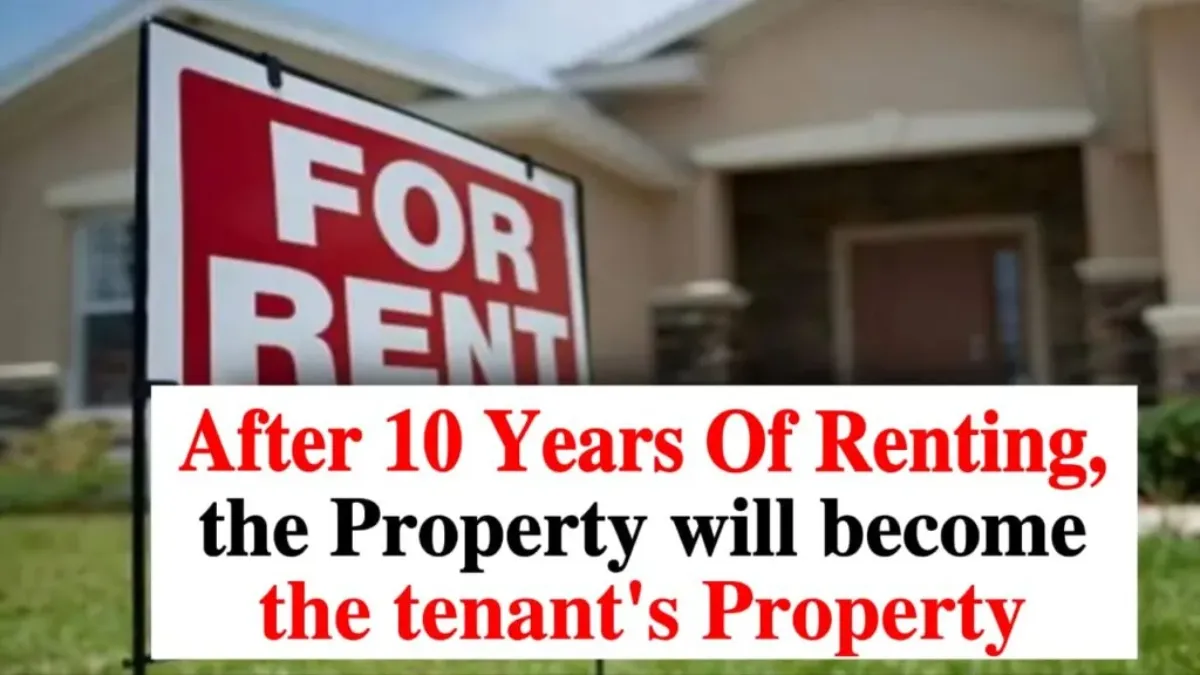
A widespread rumor claims that after 10 years of renting, tenants automatically become owners of the property, often linked to Supreme Court rulings or adverse possession laws. This misconception alarms landlords and confuses tenants across India. In reality, recent Supreme Court judgments in 2025 clarify that tenants cannot claim ownership through adverse possession, no matter the duration—be it 10 years or longer. The doctrine requires hostile, non-permissive possession, which tenancy contradicts from the start. This Supreme Court clarification on tenant ownership debunks the myth, protects landlords, and emphasizes documented agreements. Here’s the accurate position on tenant rights after long-term renting and why the 10-year claim lacks legal basis.
Key Facts on Adverse Possession and Tenant Rights
- Adverse Possession Basics Under the Limitation Act 1963, a person can claim ownership after 12 years (private property) of open, continuous, and hostile possession without permission.
- Why Tenants Cannot Use It Tenancy begins with landlord permission via agreement or rent payment—possession remains permissive, not hostile. Supreme Court rulings (e.g., November 2025) state tenants cannot convert this into ownership claims.
- The 10-Year Myth Debunked No law or judgment supports automatic ownership after 10 years. The correct period is 12 years for adverse cases, but tenancy excludes applicability.
- Recent Supreme Court Stand In landmark 2025 cases like Jyoti Sharma vs Vishnu Goyal, the Court ruled tenants’ long stays (even decades) do not grant ownership—relief for landlords against misuse.
- Exceptions Are Rare Only if tenancy fully ends, rent stops, and possession turns openly hostile (with proof) might claims arise—but courts rarely uphold them against original landlords.
- Landlord Precautions Use registered agreements, collect rent digitally, issue notices for disputes, and file eviction promptly to prevent any misinterpretation.
- Tenant Protections Under Law Tenants enjoy eviction safeguards and fair rent under state acts, but no path to ownership without purchase.
Conclusion
The claim that property becomes tenant’s after 10 years of renting is a persistent myth with no Supreme Court backing—in fact, recent judgments firmly reject it. Adverse possession does not apply to permissive tenancy, ensuring landlords retain rights regardless of duration. Both parties benefit from clear, registered agreements and timely communication. For disputes, consult legal experts and refer to official sources. This Supreme Court stance on rented property ownership promotes fair rentals without fear of unjust loss in 2025 and beyond.
FAQs:
Can a tenant become owner after 10 years of renting?
No, no law or Supreme Court ruling supports this; it’s a myth—tenancy is permissive, not adverse.
What is the correct period for adverse possession in India?
12 years for private property, but only for hostile, non-permissive occupation—not applicable to tenants.
Has the Supreme Court allowed tenants to claim ownership?
No, 2025 rulings explicitly state tenants cannot use adverse possession, regardless of duration.
How can landlords protect against false ownership claims?
Use registered agreements, regular rent receipts, and prompt legal action for disputes.