Introduction
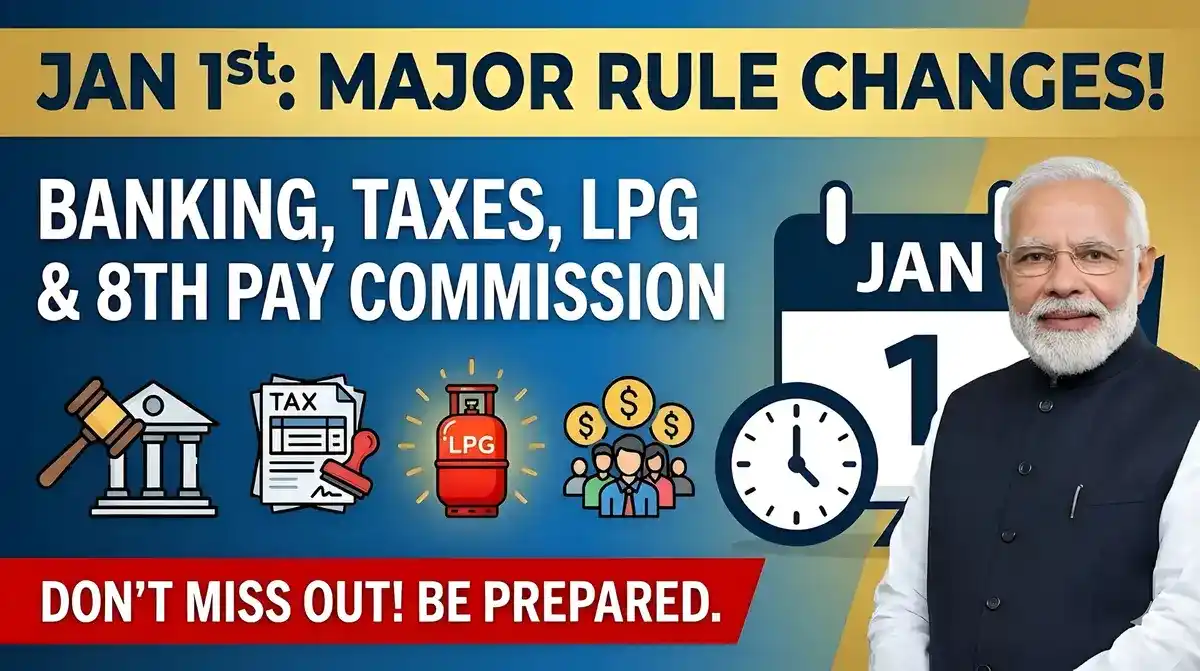
As 2026 approaches, viral social media posts and online articles are buzzing about new 2026 rules promising dramatic changes with major impact on LPG prices, petrol and diesel rates, banking services, and the 8th Pay Commission. These claims suggest everything from steep fuel price cuts to instant salary hikes for government employees, painting a picture of widespread relief starting January 1. While some routine updates—like monthly fuel revisions and ongoing pay commission work—are real, the idea of sweeping “major impact” reforms across LPG, petrol, diesel, banks, and the 8th Pay Commission lacks official confirmation as of December 31, 2025. Many stories exaggerate routine processes or mix unrelated developments. Here’s a clear breakdown of what’s verified, what’s speculative, and how these areas might actually evolve in the new year.
Key Areas and Fact-Check on 2026 Changes
LPG, Petrol, and Diesel Prices Oil marketing companies revise LPG cylinder prices, commercial gas, and aviation turbine fuel (ATF) on the first of every month—including January 1, 2026—based on global crude trends. Petrol and diesel rates follow daily dynamic pricing.
- No fixed “major cut” or hike is pre-announced; adjustments depend on international markets (Brent crude around $60–65/barrel lately).
- Recent natural gas tariff reforms simplify zones, potentially lowering CNG/PNG costs in some areas under “One Nation, One Tariff.”
- Viral claims of massive LPG/petrol/diesel relief often confuse monthly reviews with permanent rules.
Banking Sector Updates RBI introduces several guidelines effective in 2026, focusing on digital services and customer protection—not drastic overhauls like account freezes or new withdrawal limits.
- Digital Banking Channels Directions (from January 1, 2026): Banks need authorization for online/mobile services, with stronger consent rules, transparency, and grievance mechanisms.
- Basic Savings Bank Deposit Accounts (BSBD) upgrades (from April 1, 2026): More free services, no hidden charges, easier conversions—enhancing inclusion.
- Other changes: Frequent credit info reporting, ring-fencing core banking. No broad restrictions on regular accounts.
8th Pay Commission Developments The 8th Pay Commission forms in 2025, with Terms of Reference approved and an 18-month timeline for recommendations.
- Effective date traditionally January 1, 2026 (post-7th CPC term ending December 31, 2025), but actual salary/pension hikes likely delayed until report approval (possibly 2027–2028), with arrears.
- No released hike chart or confirmed fitment factor yet; estimates suggest 20–35% potential increase.
- Pensions included; DA continues rising until merger.
Why Many Claims Are Overhyped
- No single “package” of new 2026 rules bundles major fuel subsidies, bank restrictions, and instant pay hikes.
- Sources like PIB, RBI, and Ministry sites show incremental policies, not revolutionary shifts.
- Speculation often ties to budgets, elections, or global oil forecasts.
What to Expect Realistically in 2026
- Monitor monthly fuel revisions for possible relief if crude stays low.
- Enjoy enhanced digital banking protections and BSBD perks.
- Await 8th Pay Commission progress—DA hikes continue in meantime.
- Check official apps/portals for personalized impacts.
Conclusion
The excitement around new 2026 rules with major impact on LPG, petrol, diesel, banks, and the 8th Pay Commission reflects genuine hopes for economic relief amid inflation. However, as of December 31, 2025, most dramatic claims remain unverified or exaggerated—rooted in routine revisions and ongoing processes rather than confirmed overhauls. Real changes, like digital banking safeguards and pay commission groundwork, aim at long-term stability and inclusion. Fuel prices fluctuate monthly, and salary revisions take time. Stay updated via trusted sources like rbi.org.in, pib.gov.in, or oil company sites to navigate 2026 confidently. Informed expectations beat viral hype every time.