Introduction
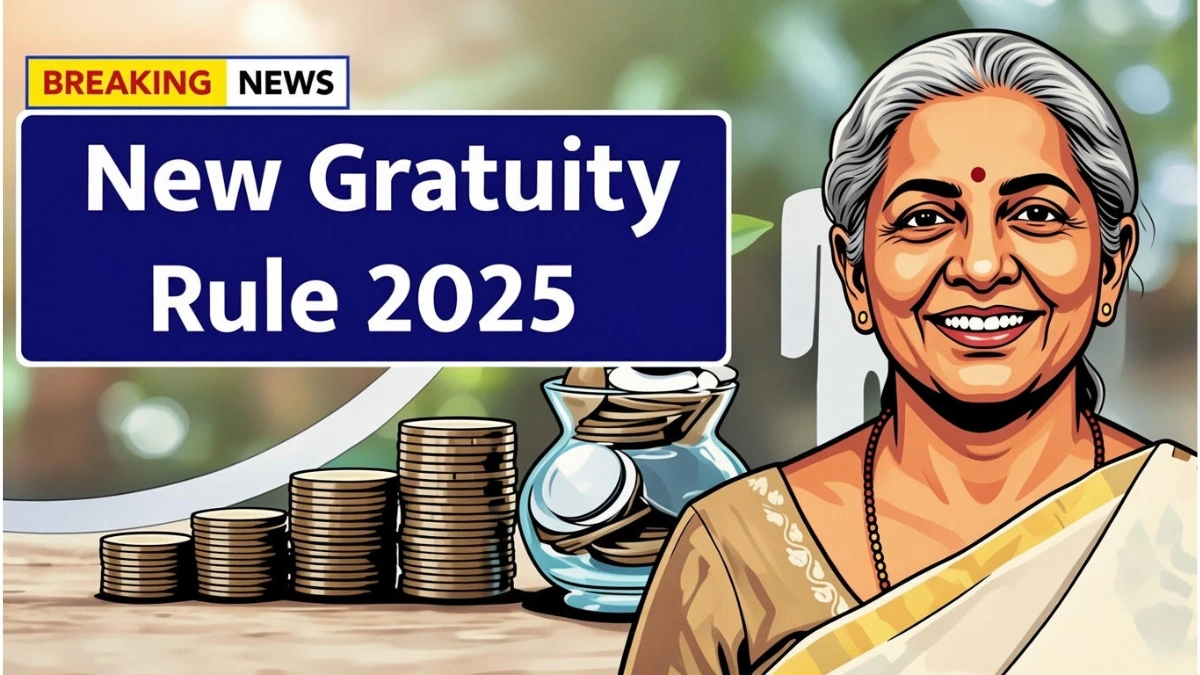
Central government employees received welcome news in 2024 when the retirement and death gratuity ceiling was raised from ₹20 lakh to ₹25 lakh, with benefits continuing seamlessly into 2025. This automatic 25% hike, triggered by Dearness Allowance (DA) reaching 50%, strengthens post-retirement financial security amid rising living costs. Whether you’re nearing superannuation or planning long-term, understanding the updated gratuity limit for central employees in 2025—along with eligibility, calculation, and tax rules—can help maximize your benefits. Here’s a clear breakdown of everything you need to know about this important update.
Key Details of the Gratuity Limit Hike
- New Ceiling Amount The maximum retirement and death gratuity limit for eligible central government employees now stands at ₹25 lakh, up from the previous ₹20 lakh. This revision applies automatically to all qualifying retirements or cases from January 1, 2024 onward.
- Reason for the Increase As per 7th Pay Commission recommendations, the gratuity ceiling increases by 25% whenever DA hits 50% of basic pay. The DA rose to 50% effective January 1, 2024, prompting the Department of Pension and Pensioners’ Welfare (DoPPW) to issue the enhancement via an office memorandum in May 2024.
- Who is Eligible? This ₹25 lakh gratuity limit applies only to regular central civil servants covered under the Central Civil Services (Pension) Rules, 2021 or the Central Civil Services (Payment of Gratuity under National Pension System) Rules, 2021. It includes employees under the old pension scheme and NPS contributors.
- Who is Not Covered? The enhanced limit does not extend to employees of public sector undertakings (PSUs), banks, autonomous bodies, universities, port trusts, RBI, state governments, or societies—these follow separate rules set by their respective administrative ministries.
- Calculation Formula Retirement gratuity is calculated as: (Last drawn Basic Pay + Dearness Allowance) × (Qualifying service in six-month periods) × 1/4, subject to a maximum of 16.5 times the emoluments and the ₹25 lakh cap. Minimum qualifying service remains 5 years (except in death cases).
- Tax Benefits For central government employees, the entire gratuity amount—up to ₹25 lakh—is fully tax-exempt under Section 10(10) of the Income Tax Act. This provides a significant advantage over private sector limits (₹20 lakh tax-free).
- Impact on Retirees in 2025 Employees retiring in 2025 or later will directly benefit from the higher ceiling if their calculated gratuity exceeds ₹20 lakh. The extra ₹5 lakh can make a real difference in covering medical expenses, travel, or family needs during retirement.
Conclusion
The hike in gratuity limit to ₹25 lakh for central employees marks a thoughtful adjustment to inflation and evolving financial needs, offering greater peace of mind for lakhs of government servants and their families. While the change took effect in 2024, it continues to provide enhanced security through 2025 and beyond—especially valuable as the 8th Pay Commission approaches. If you’re a central government employee, review your service records and consult your department’s pension cell to ensure smooth processing. This update underscores the government’s commitment to supporting its workforce even after active service ends.
FAQs:
When did the ₹25 lakh gratuity limit become effective?
The enhanced limit took effect from January 1, 2024, following the DA hike to 50%. All eligible retirements from that date qualify.
Does the ₹25 lakh gratuity limit apply to private sector employees?
No, private sector employees remain under the ₹20 lakh tax-free ceiling as per the Payment of Gratuity Act. The hike is specific to eligible central government staff.
Is gratuity taxable for central government employees?
No, the full gratuity amount up to ₹25 lakh is completely tax-exempt for central government employees under Income Tax rules.
What is the minimum service required for gratuity?
Employees need at least 5 years of continuous qualifying service for retirement gratuity. In death cases, it’s payable regardless of service length.